Dog and Pet Fence Installation

Eads Fence builds fences that keep dogs and cats in the yard across Cincinnati, Dayton, Northern Kentucky, and Eastern Indiana. We size the height to your dog and close the gaps along the bottom. Gates get hardware that latches on its own. Our Loveland showroom has full panels standing so you can walk the styles before you pick one.

How to keep a dog from escaping the yard

Most dogs have one method they keep going back to. Tell us which one and we build the fence around it.

Jumpers and climbers

Height does most of the work. We keep the inside face smooth so there is no horizontal rail to use as a step.

Diggers

We close the bottom at install with a concrete mow strip or a buried wire footer.

Squeezers

Small dogs find the gaps. Tighter picket spacing and a smaller chain link mesh close them.

Gate escapes

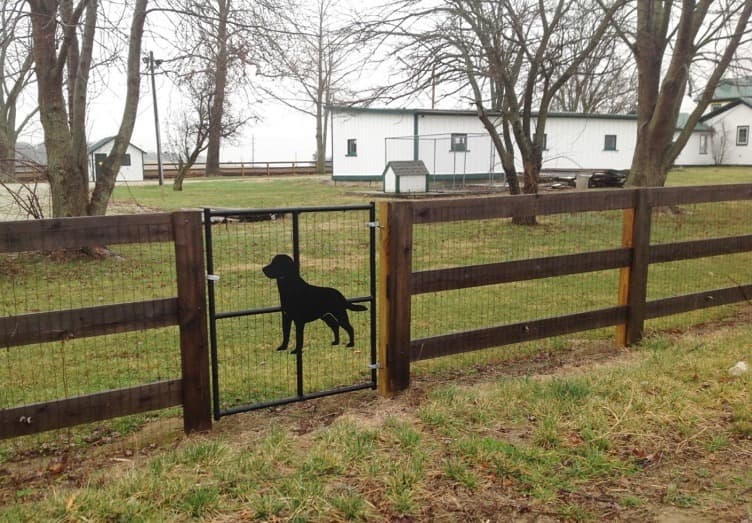
Gates take more abuse than any other part of the fence. Self-closing hinges and a gravity latch keep a pushed gate shut.

Which fence style works best for a dog?

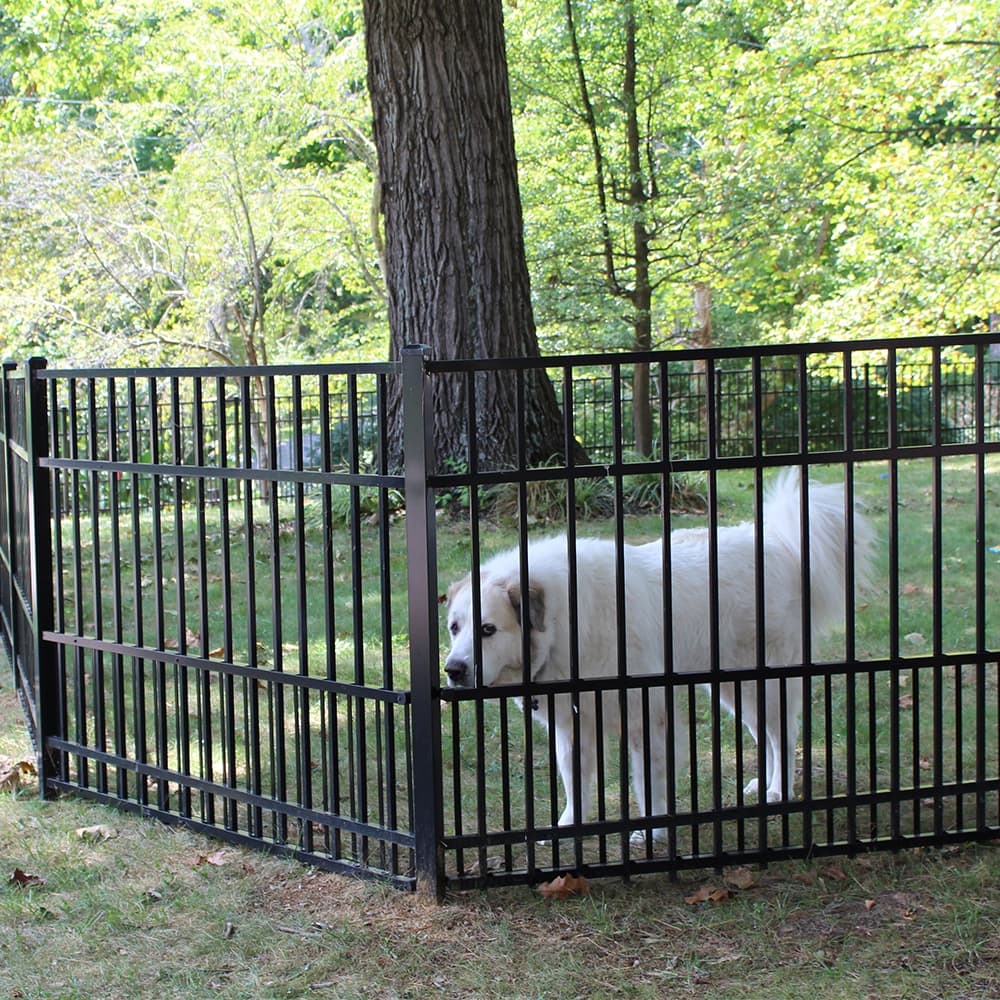
A dog in a backyard with a black metal fence

Aluminum

Aluminum handles large dogs that lean and push on the fence line. Pickets run vertically, so there is nothing to climb. You keep a clear view of the yard. Standard heights are 4, 5, and 6 feet.
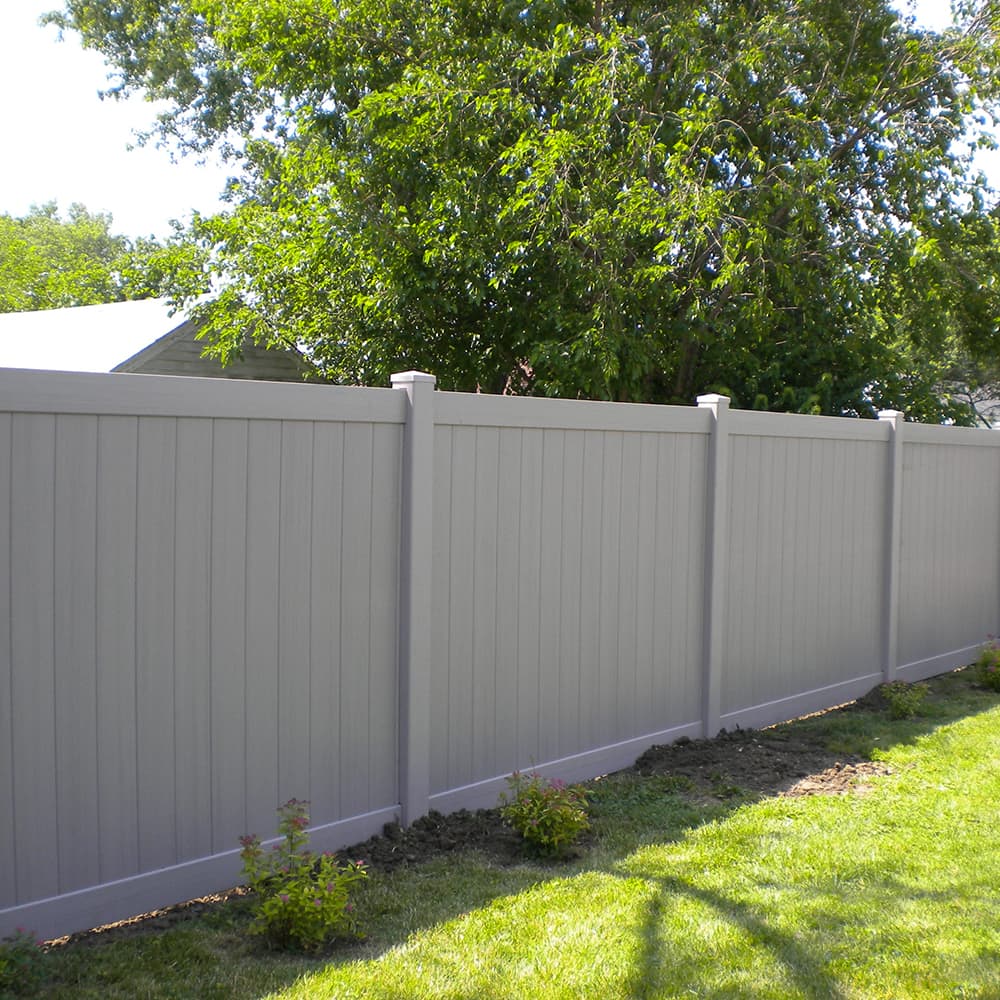
A white vinyl privacy fence

Wood or Vinyl Privacy

A solid panel takes the sidewalk out of view. Dogs that bark at every passing walker tend to settle behind one. Privacy panels also block sight lines to a neighbor's dog, which is half the reason most fence-line barking starts.
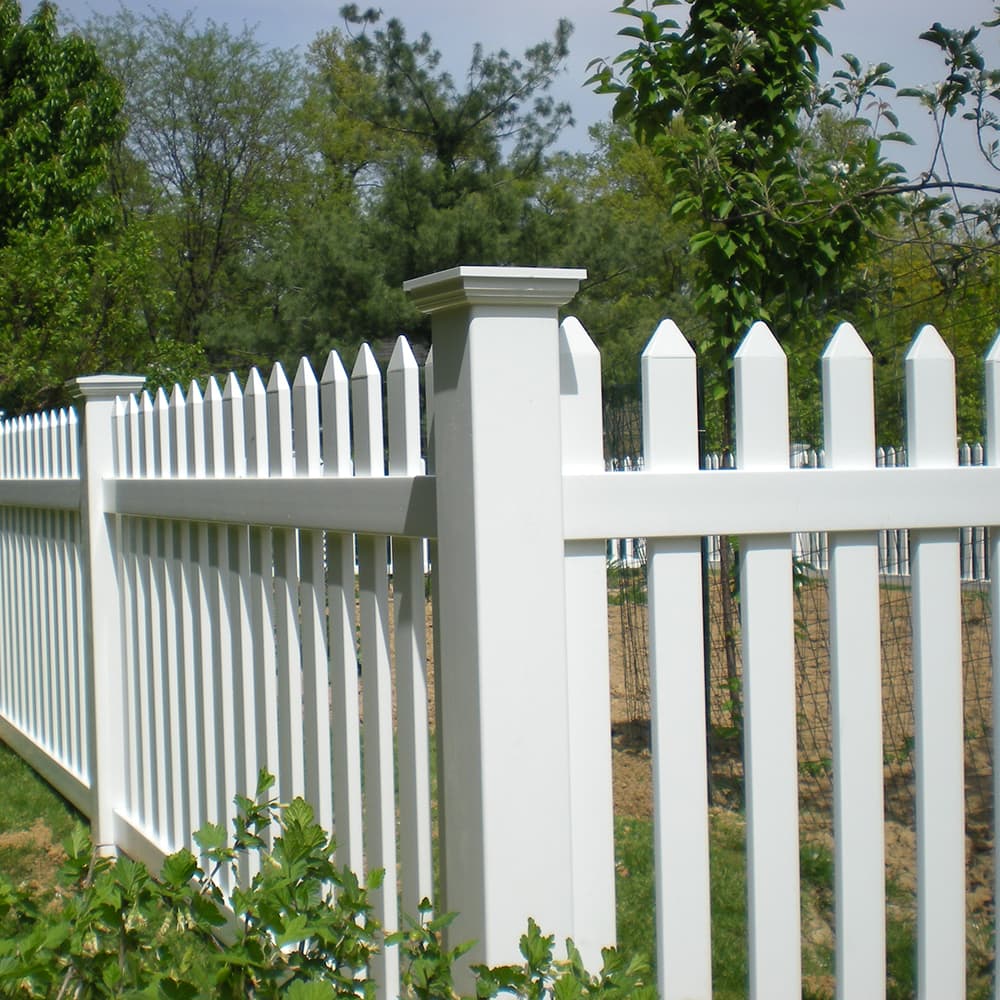
Wood or Vinyl Picket

Picket spacing matters more here than the material does. For small dogs and puppies, keep the gaps under 3 inches so a determined head cannot get through.
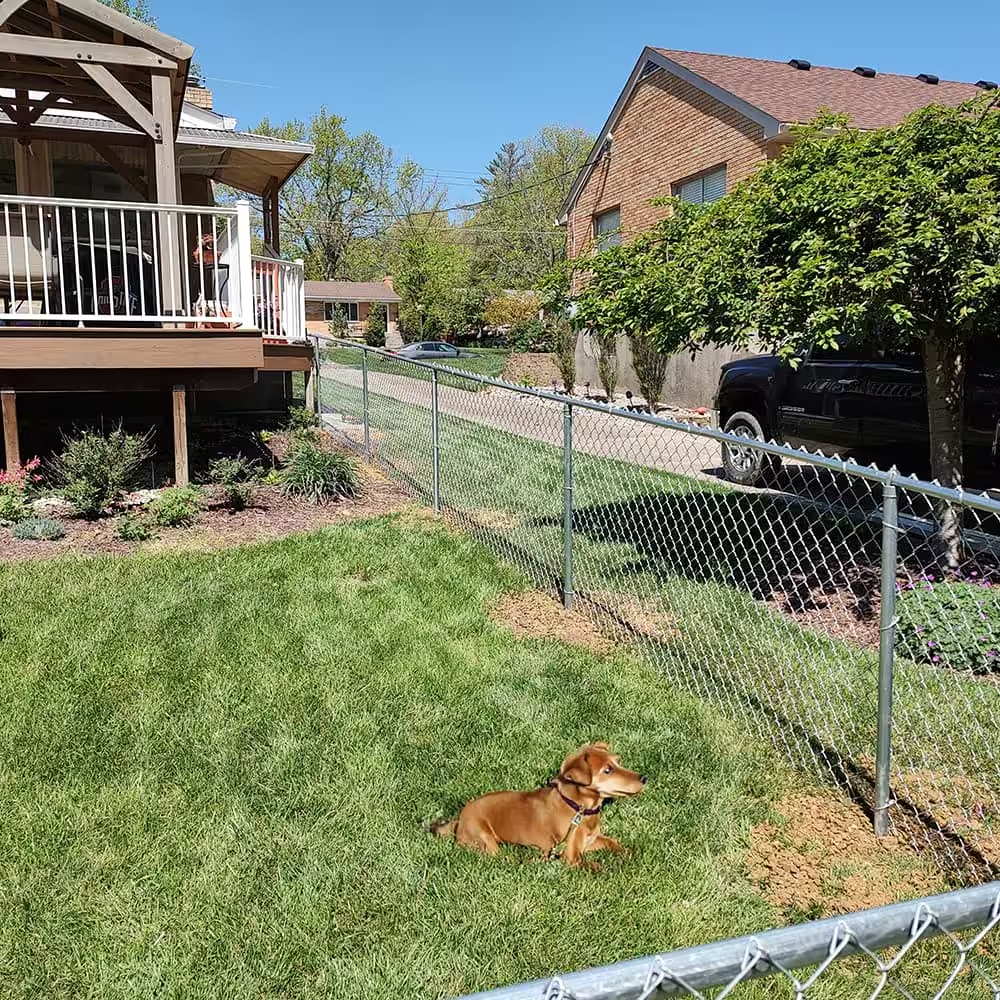
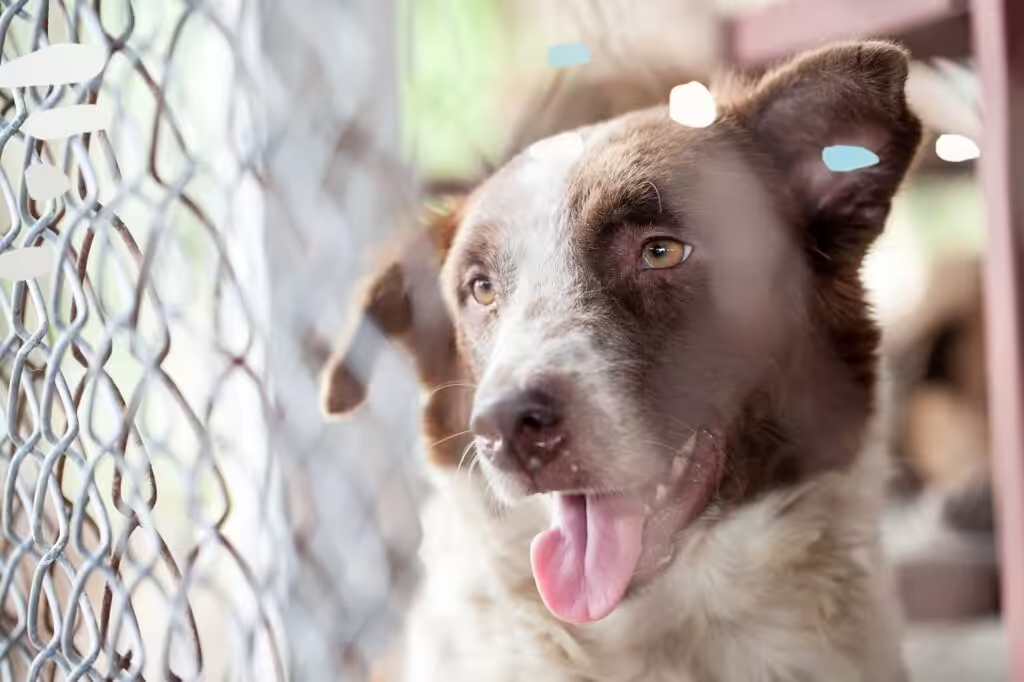
A dog in a backyard that has a chain link fence

Chain link

Chain link runs the lowest cost per foot and covers large yards and kennel runs well. Mesh size is the variable for small breeds. Standard 2-inch mesh works for medium and large dogs, and we drop to a tighter mesh when the dog is small enough to slip it.
How tall should a dog fence be?

Most dogs have one method they keep going back to. Tell us which one and we build the fence around it.
4

4 feet

Holds most small and medium dogs.

5

5 feet

The usual pick once a dog gets into the 50-pound range.

6

6 feet

Athletic jumpers like huskies, shepherds, and retrievers need the full six.

6 feet plus a topper

Cats need a topper angled back into the yard, since a cat will climb what a dog would jump.

Why homeowners hire Eads for pet fencing

We build fences around how your dog behaves. A digger gets a concrete mow strip or a buried L-footer. A climber gets height and a smooth top rail with nothing to grab. A runner gets a gate latch that holds up to a shoulder at full speed.

That means the site visit is mostly us asking about your dog. Breed, size, age, and what they have already gotten away with tell us more about the right fence than the square footage does.

Around the Cincinnati region, grade changes, tree roots, and property line questions come with the territory. Eads sorts them out during the install, which costs less than fixing them after your dog finds the gap.

Gates and latches

Self-closing hinges and a gravity latch do more for containment than anything else on the fence. We spec both on pet gates. Double gates get a drop rod so the leaf holds when a dog throws its weight at it.

Fencing for horses and livestock

Pasture work runs on different heights, rail strength, and spacing than a backyard dog fence. Kentucky board fence, split rail, and woven wire all live on our horse fence and farm fence pages.

Permits, HOA approval, and property lines

Height limits, setbacks, and finished-side rules change from one township to the next across our Ohio, Kentucky, and Indiana service area. We pull permits where the jurisdiction requires them. If your neighborhood has an architectural committee, we will put the plan together for their review before we build.

What affects the price of a dog fence

Linear footage, material, height, gate count, and grade all move the number. A sloped yard costs more than a flat one because the panels have to step or rack to follow the ground. Gates are the most expensive component per foot on any fence, so the layout matters. We measure on site and quote the whole thing before any work starts.

Common questions about dog fences

How tall does a fence need to be for a dog?
Four feet holds most small and medium dogs. Five feet suits dogs around 50 pounds. Six feet is the right call for large athletic breeds that jump.
Aluminum for large dogs and open sight lines. Wood or vinyl privacy for dogs that react to movement outside the yard. Chain link when you are covering a lot of ground on a tighter budget.
A fence set tight to grade stops most dogs on its own. For dedicated diggers, a concrete mow strip or a buried wire footer along the bottom takes care of it.
Under 3 inches. Puppies and toy breeds can push through wider gaps.
It depends on the municipality. Some require a permit for any fence, others only above a set height. We check the local code as part of the estimate.
Yes. Cat containment needs six feet plus an inward-angled topper, since cats climb rather than jump.

Get a quote on your pet fence

Tell us about your dog and your yard, and we will measure and price it. Call (513) 677-4040 in Cincinnati or (937) 224-4040 in Dayton.